
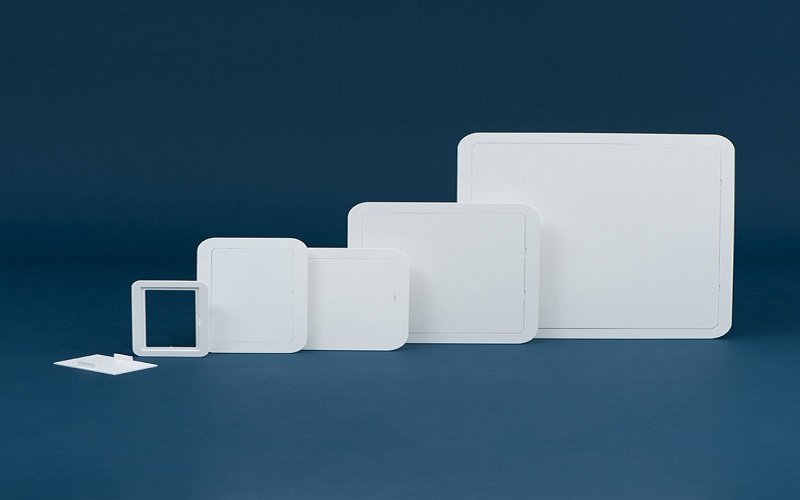
Plastic access panels are a simple and affordable way to hide pipes, wires, or valves in your home while allowing easy access for maintenance. They fit neatly into walls or ceilings, keeping your space looking clean and organized.
Easy to install and cost-effective, these panels are perfect for DIY projects and help avoid expensive repairs. In this guide,we will help you to choose the right panel size, install it properly, and maintain it with ease.
What Are Plastic Access Panels?
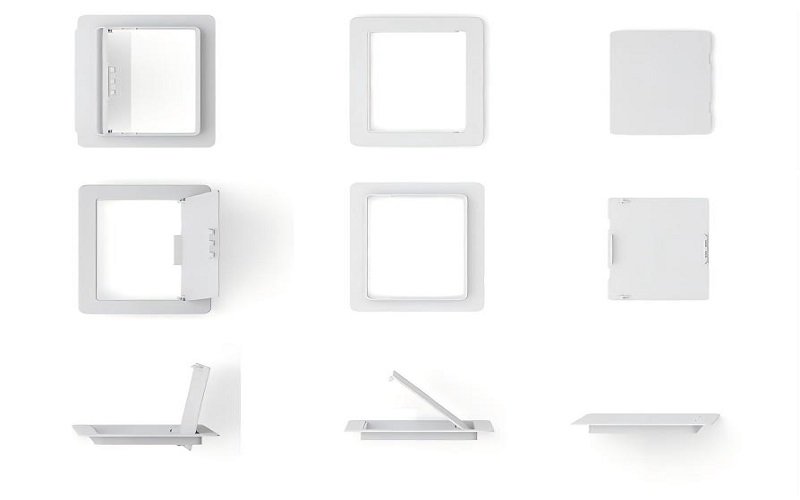
Plastic access panels are removable covers designed to conceal plumbing, electrical wiring, or HVAC systems in homes and buildings.
Made from durable, lightweight plastic, these panels provide easy access to utilities for maintenance while keeping them hidden behind walls or ceilings. They come in various sizes and styles, offering a practical, tidy solution for a polished look.
These panels are designed for easy installation on walls and ceilings, often featuring a flush or surface mount frame that blends seamlessly with your decor.
Many plastic access panels are paintable, allowing you to match them perfectly to your walls or ceilings for a discreet appearance. Their cost-effective design makes them an excellent choice for both new construction and repair projects.
In addition to their aesthetic benefits, plastic access panels help prevent damage during repairs by providing a dedicated access point, reducing the need to cut into drywall or other surfaces.
Whether you need access for plumbing, electrical wiring, or HVAC maintenance, these panels work efficiently to keep your space functional and visually appealing, making maintenance and repairs easier and less intrusive.
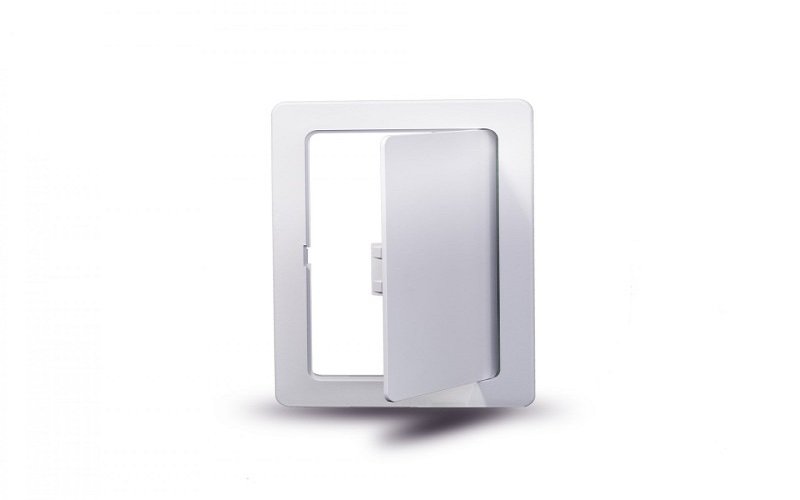
plastic-access-panel
Applications Of Plastic Access Door Panels
Plastic access panels are versatile products for concealing utilities while keeping them accessible for maintenance and use. Below are some of the most common applications in homes, showcasing their practicality across different spaces.
Bathroom
Hide shut-off valves or shower plumbing to maintain a sleek, uncluttered look. For example, a 6×6-inch panel can cover a water valve behind a vanity, blending seamlessly with the wall.
Kitchen
Conceal under-sink pipes or electrical outlets to keep the space tidy. A 12×12-inch panel works well for accessing plumbing beneath a kitchen sink.
Ceiling/Attic
Provide easy access to HVAC ducts or electrical wiring in ceilings or attics. Spring-loaded panels are ideal for tight attic spaces, ensuring quick entry without compromising aesthetics.
Basement
Cover utility meters, circuit breakers, or water heaters to protect and hide them. Larger panels, like 14×14 inches, are perfect for accessing basement control systems.
These applications make plastic access panels a go-to choice for functional, polished home design.
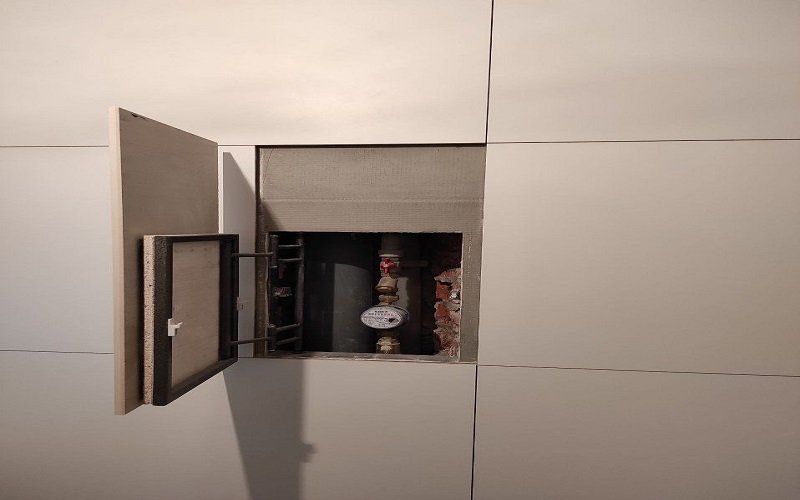
Plastic Access Panel Installation Steps
- Step 1: Plan and Measure: Identify the exact location of the utility you need to cover and carefully measure the required panel size to ensure a perfect fit.
- Step 2: Mark and Cut: Use a stud finder to locate and avoid cutting into beams or wiring. Mark the cutting area precisely and use a drywall saw to create a clean, accurate opening.
- Step 3: Install the Frame: Position the access panel frame into the opening and secure it firmly to the drywall or studs using appropriate screws or anchors for stability.
- Step 4: Attach the Panel: Snap or screw the access door into the frame, making sure it sits flush with the wall or ceiling surface and is securely fastened.
- Step 5: Finishing Touches: Apply caulk around the edges of the frame to create a seamless finish, then paint the panel to match your wall or ceiling color for a discreet appearance.
- Tips for Success: Always check that the frame is level before final installation, avoid overtightening screws to prevent damage, and ensure the panel door opens smoothly for easy access.
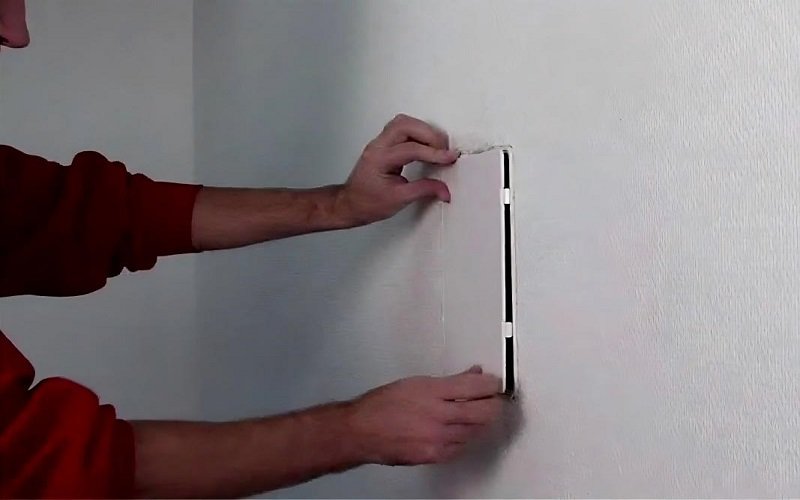
How To Choose The Right Plastic Access Panels?
When selecting plastic access panels, size is a crucial factor. Common sizes include 8×8, 12×12, 14×14 inches, and more.
To ensure a perfect fit, carefully measure the opening in your wall or ceiling where the panel will be installed, allowing for any framing or drywall thickness.
There are several types of panels to consider based on your installation needs. Flush-mount panels sit level with the wall or ceiling surface for a seamless appearance, while surface-mount panels overlap the surface for easier installation.
Spring-loaded panels offer quick and convenient access, ideal for spaces requiring frequent entry.
Additionally, special features can enhance functionality and safety. Lockable panels provide security for sensitive areas, and fire-rated models meet building codes for fire resistance.
When ordering, always check the product reference number and confirm compatibility with your server or utility setup to ensure proper integration and a smooth order process.
Choosing the right combination of size, type, and features ensures your plastic access panel meets both practical and aesthetic requirements.
Conclusion
Plastic access panels offer a cost-effective and practical solution for maintaining easy access to plumbing, electrical, and HVAC systems while keeping walls and ceilings neat and attractive.
Their lightweight, durable design, combined with various sizes and installation options, makes them ideal for both new builds and renovation projects.
By choosing the right panel and installing it properly—with the necessary permission to access your property or server areas—you can protect your home’s utilities, simplify maintenance, and enhance your space’s overall appearance.
Whether you are a DIY enthusiast or a professional, you can visit http://acrboard.com/ to send us an inquiry and receive a quote, providing a convenient and efficient way to manage access without compromising style or function, leaving you happy with a clean and organized environment.