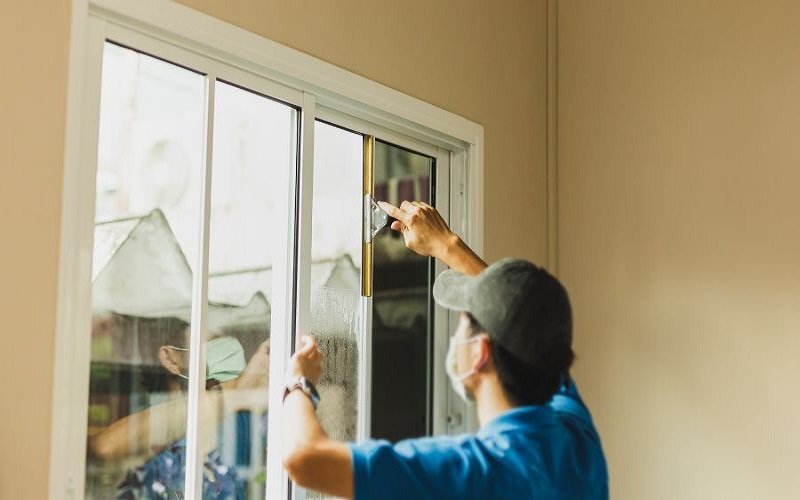
In daily life and industrial applications, acrylic sheets are widely used as an excellent alternative to glass due to their lightweight, durability, and high transparency. However, the surface of acrylic sheets easily accumulates dust, fingerprints, and stains.
Without proper cleaning and maintenance, fine scratches and yellowing can occur, affecting their appearance and lifespan.
This article will provide you with detailed guidance on how to how to clean acrylic sheets safely and effectively , helping you keep them clear and like new while extending their service life.
Materials And Tools Needed To Clean Acrylic Sheets
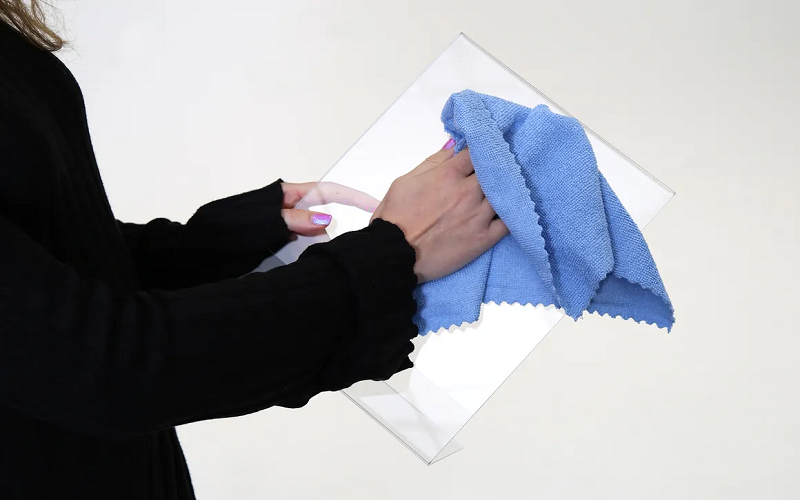
To safely and effectively clean acrylic sheets, you need to prepare some suitable materials and tools. First, it is important to choose a soft cloth, preferably a microfiber cloth or cotton flannel, as these fabrics can effectively remove dust, smudges, and stains while avoiding scratches on the sheet surface.
Next, prepare a basin of lukewarm water; avoid using water that is too hot to prevent deformation. Then, select a mild soap or a specialized acrylic cleaner to ensure the cleaning process does not damage the acrylic surface.
Additionally, isopropyl alcohol can be used to remove stubborn grease, smudges, and fingerprints, but pay attention to its concentration and usage method to avoid damaging acrylic sheets with patterns.
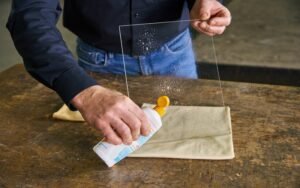
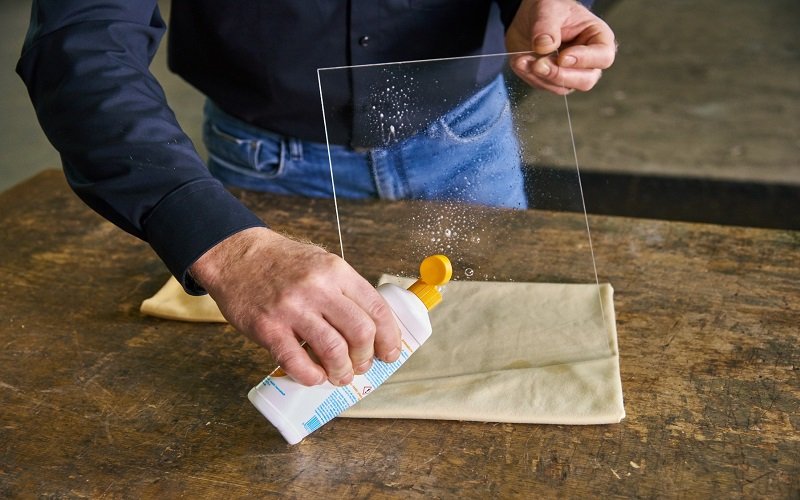
Finally, prepare an anti-static spray to help eliminate electrostatic charges, reduce dust particle attraction, and maintain the cleanliness and clarity of the acrylic sheet.
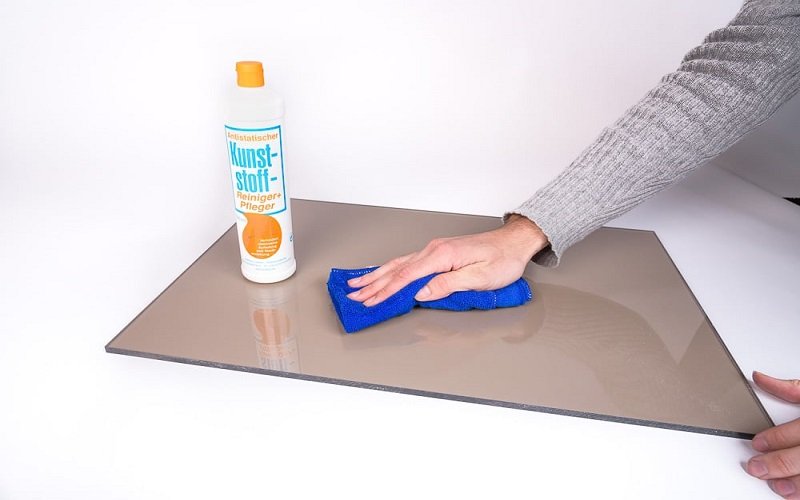
Moreover, there are acrylic cleaners specifically designed to remove various stains while protecting the gloss and transparency of the acrylic.
Steps To Clean Acrylic Sheets
When cleaning acrylic sheets, follow the steps below to ensure the best cleaning results without damaging the surface:
Step 1: Prepare Cleaning Tools and Solution
Use a soft, clean cloth such as a microfiber cloth or cotton flannel, and avoid using rough or contaminated fabrics. Prepare a basin of lukewarm water and add a small amount of mild detergent, stirring evenly for use.
Step 2: Preliminary Wiping
Gently wipe the surface of the acrylic sheet with a damp cloth to remove dust and loose dirt. Be careful not to apply too much force to avoid scratching the surface.
After drying, you can spray an anti-static agent to help eliminate electrostatic charges that attract dust particles, keeping the acrylic sheet cleaner for longer.
Step 3: Clean Stubborn Stains
For grease, fingerprints, or other difficult stains, use diluted isopropyl alcohol (concentration not exceeding 30%) or a specialized acrylic cleaner to gently wipe the stained areas.
Step 4: Rinse Thoroughly
Use clean water to thoroughly rinse off any cleaning agent residue on the acrylic sheet surface to prevent discoloration or damage caused by chemical residues.
Step 5: Dry and Anti-Static Treatment
Gently dry the acrylic sheet with a clean, dry cloth to avoid water spots. Then, spray an anti-static agent to reduce dust attraction and keep the surface clean.
By following these steps, you can effectively clean acrylic sheets while protecting their gloss and transparency, keeping them looking like new.
Proper Maintenance Of Acrylic Sheets
To ensure the long-term use and maintain the transparency of acrylic sheets, proper maintenance is essential.
First, avoid using cleaners containing ammonia, as these products can cause the acrylic surface to become cloudy or even crack.
Second, when cleaning, use soft fabrics such as microfiber cloths or cotton flannel, and avoid rough or abrasive materials to prevent scratching the surface.
Like most materials, when storing acrylic sheets, avoid high temperatures and direct sunlight, as extreme temperatures can cause deformation or discoloration of the sheets. It is best to store acrylic sheets vertically, avoiding heavy pressure and bending to prevent cracks or warping.
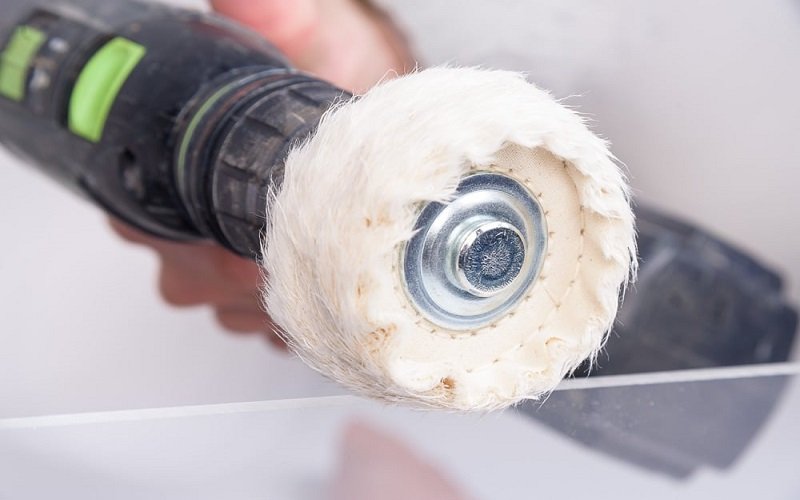
For fine scratches on the surface, you can use specially designed acrylic polishes, such as Novus Acrylic Polish or Novus Polish, to polish the sheets. This not only removes scratches but also restores the gloss and transparency of the material.
Additionally, regular use of anti-static sprays can effectively reduce dust adhesion and keep the sheets clean.
Moreover, acrylic sheets are usually covered with a protective coating on the surface. It is recommended to keep the protective film intact before use to prevent scratches during transportation and storage.
When removing the protective film, handle it carefully to avoid adhesive residue affecting the sheet surface.
In summary, proper cleaning and maintenance methods can extend the service life of acrylic sheets, maintain their excellent performance and attractive appearance, and are important guarantees to ensure their advantages as an alternative to glass.
How To Avoid Mistakes Cleaning Acrylic Sheet?
When cleaning acrylic plexiglass sheets, avoiding common mistakes is crucial to maintain their clarity and durability. Here are some important tips to keep in mind:
- Avoid Using Ammonia-Based Cleaners: Ammonia-based cleaners, such as window sprays, can cause the acrylic surface to become cloudy and brittle over time. Instead, opt for mild soap solutions or specialized acrylic cleaners.
- Do Not Use Abrasive Materials: Avoid using sandpaper, rough cloths, or scouring pads, as these can easily scratch the acrylic surface. Always use a soft microfiber cloth or cotton flannel for cleaning.
- Avoid Excessive Heat and Direct Sunlight: Acrylic sheets are susceptible to damage from extreme temperatures and prolonged exposure to direct sunlight. Avoid storing acrylic in hot conditions or under direct sunlight to prevent warping or discoloration.
- Do Not Use Harsh Solvents: Solvents like acetone, carbon tetrachloride, and gasoline can damage the acrylic by causing cracks or surface deterioration. Only use cleaning agents that are safe for plastic surfaces.
- Keep Protective Films On Until Use: Many acrylic sheets come covered with protective films or masking to prevent deeper scratches during transport and storage. Keep these films intact until you are ready to use the sheet.
- Avoid Storing Acrylic in Extreme Temperatures: Store acrylic sheets in a cool, dry place away from extreme temperatures to preserve their shape and clarity over the long run.
By following these guidelines and using proper maintenance techniques, you can keep your acrylic sheets looking shiny and new for years to come.
Conclusion
Proper cleaning and maintenance are essential to keep acrylic sheets looking clear, shiny, and durable over time.
By using soft cloths, mild soap, and specialized acrylic cleaners, and by avoiding harsh chemicals and abrasive materials, you can effectively protect the sheet surface from scratches and damage.
Additionally, storing acrylic sheets away from extreme temperatures and direct sunlight helps prevent deformation and discoloration.
There is no need to worry about maintaining the beauty and functionality of your acrylic sheets if you follow these simple yet important guidelines.
With the right care, your acrylic sheets will remain an excellent alternative to glass for years to come.