Drilling acrylic sheets is a common yet delicate task that requires precision and the right techniques to avoid cracking or damaging the material.
Whether you are working on a DIY project, creating custom signage, or fabricating medical equipment, understanding how to properly drill acrylic can save you time, effort, and materials.
This guide will walk you through essential tips, tools, and procedures to ensure clean, smooth holes every time while preserving the integrity of your acrylic sheet.
Tools Needed For Drilling Holes In Acrylic Sheets
To successfully drill holes in acrylic sheets without causing cracks or damage, having the right tools is essential. Here are the primary tools you’ll need for the drilling process:
Drill Press
While a handheld drill can work, a drill press provides superior control, keeping the drill bit perpendicular to the acrylic surface and applying uniform pressure. This reduces the risk of cracking and ensures a smooth hole.
Drill Bits
The type of drill bit you choose for drilling acrylic material is crucial in determining the efficiency and quality of the results.
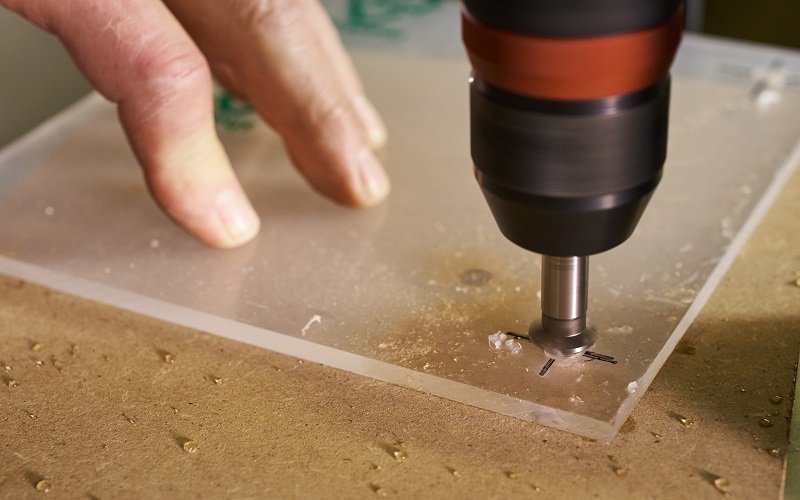
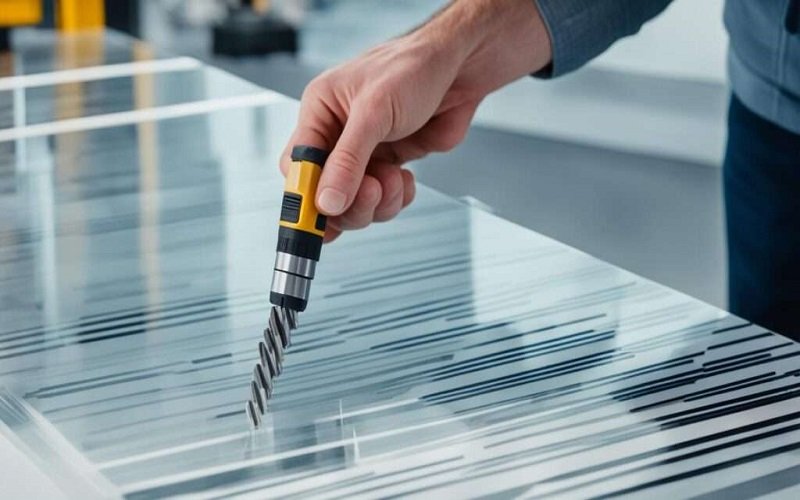
Step drill bits and brad point bits are preferred because their cutting edges scrape the acrylic gently rather than gouging it, resulting in clean, smooth holes. Modified twist drills can also be effective when adjusted with the proper angle and clearance.
Clamps
Securely clamping the acrylic sheet to a flat surface prevents movement and vibration during drilling, which minimizes chipping and cracking.
Backing Material (Solid Material)
Placing a piece of wood or another solid material underneath the acrylic sheet supports it during drilling and helps prevent blowout or chipping on the underside.
Coolant or Lubricant
To prevent melting caused by friction, it’s advisable to use a coolant such as water or a cold air gun during drilling, especially when working with thicker sheets or larger holes.
Marking Tools
Use a fine-tip marker or scribe to accurately mark the drilling points on the acrylic sheet before starting.
Having these tools prepared and understanding their roles will help you maintain the quality and integrity of your acrylic sheet throughout the drilling process.

How To Drill Acrylic Sheet ?
Drilling acrylic sheets requires careful planning and execution to avoid cracking or melting the material. Here is a step-by-step guide to help you achieve the best results:
Prepare Your Workspace and Materials
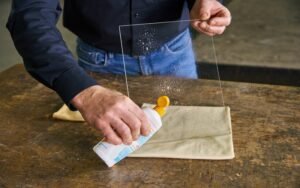
Start by organizing your workspace with all necessary tools within reach. Ensure the acrylic sheet is clean and place it on a flat surface. Securely clamp the sheet to prevent any movement during drilling.
Additionally, place a solid backing material, such as a piece of wood, beneath the acrylic to support it and reduce chipping on the other side.
Mark The Drilling Points
Primarily, use a fine-tip marker or scribe to precisely mark the center of each hole you plan to drill, making a clear line that guides the drill bit accurately. Accuracy here is essential to ensure the drill bit penetrates at the correct spot, preventing the material from cracking or breaking.
Select The Right Drill Bit
Choose a drill bit designed specifically for plastic material or acrylic. Step drill bits, brad point bits, or modified twist drills with a 90° tip angle are ideal as they scrape rather than gouge the acrylic, producing a smooth hole. Avoid using standard metal drill bits without modification, as they can grab and crack the plastic.
Drill a Pilot Hole
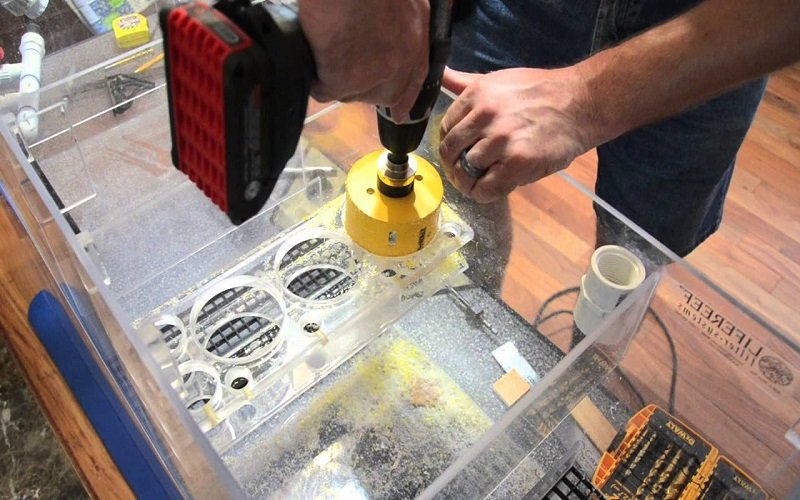
For larger diameters, start by drilling a small pilot hole. This initial hole guides the larger bit and reduces stress on the acrylic, minimizing the risk of cracking.
Set the Drill Speed
Operate the drill at a slow speed to prevent heat buildup caused by friction, which can melt the acrylic. Maintaining a slow and steady feed rate allows the cutting tool to remove material efficiently without grabbing or overheating. Adjust the drill settings accordingly to match the thickness and type of acrylic sheet for optimal results.
Use Cooling Methods
To further prevent melting, apply coolant such as water or use a cold air gun during drilling. This helps dissipate heat and improves the quality of the hole.
Drill Through The Acrylic
Begin drilling at the marked point, keeping the drill perpendicular to the surface. Apply gentle, consistent pressure and let the drill bit do the work. As the bit penetrates through the acrylic, slow down as you approach the other side to avoid chipping or blowout.
An important aspect to consider during this process is the pull created by the drill bit, which can affect hole quality if not controlled properly.
By following these steps and paying attention to the thickness and type of acrylic sheet, you can create precise, clean holes without damaging your plastic material.
How To Avoid Cracking When Drilling Acrylic Sheet ?
Cracking is one of the most common issues encountered when drilling acrylic sheets. To avoid this, it is essential to follow several key precautions and techniques:
Secure the Acrylic Sheet Properly
Clamp the acrylic sheet firmly to a flat surface to prevent any movement or vibration during drilling. Movement can cause the drill bit to grab or slip, leading to cracks. Additionally, place a solid backing material, like wood, underneath the sheet to support it and prevent chipping or cracking on the exit side.
Drill At a Slow Speed
Operate the drill at a slow speed to minimize heat buildup caused by friction. Excessive heat can soften the acrylic, making it prone to cracking or melting. A slow and steady feed rate allows the drill bit to cut smoothly without grabbing or putting undue stress on the material.
Start with a Pilot Hole
For larger holes, begin by drilling a small pilot hole. This reduces the stress on the acrylic sheet and guides the larger drill bit, preventing cracking and ensuring a clean, precise hole.
Use Cooling Techniques
Apply a coolant such as water or use a cold air gun during drilling to dissipate heat and reduce the risk of melting or cracking. Keeping the drill bit and acrylic cool helps maintain the material’s integrity.
Maintain Proper Distance from Edges
Avoid drilling too close to the edge of the acrylic sheet. A recommended distance is at least 1.5 times the diameter of the hole from the edge to prevent stress fractures and cracking.
Apply Gentle Pressure
Do not force the drill bit through the acrylic. Let the drill do the work with gentle, consistent pressure. Forcing the bit can cause the material to crack or chip.
By following these solution, you can effectively prevent cracking and produce clean, smooth holes in your acrylic sheet, ensuring the durability and aesthetic quality of your project.
Conclusion
Drilling acrylic sheets can be a straightforward and rewarding process when approached with the right tools, techniques, and precautions.
When purchasing acrylic sheets and drilling equipment, it is essential to explore different brands to find the best fit for your project.
By following the advice provided in this guide and considering the key figures related to drill speed and bit angles, you can confidently decide on the right tools and techniques to achieve smooth, precise holes without damaging your acrylic sheet.