Cutting ABS plastic sheets is a fundamental skill for many DIY enthusiasts, hobbyists, and professionals working with this versatile material.
Known for its strength, durability, and ease of fabrication, ABS plastic sheet is widely used in various applications, from automotive parts to electronic housings.
Whether you are creating custom components or modifying existing pieces, understanding the right tools and methods to cut ABS plastic sheets efficiently and safely is essential.
In this article, we will explore the best techniques, tools, and safety tips to help you achieve clean, precise cuts and get the most out of your ABS sheets projects.
Recommended Tools For Cutting ABS Sheets
When it comes to cutting plastic sheets, selecting the right tools is crucial to achieve clean, precise cuts while minimizing material damage. Here are some of the most effective tools commonly used for cutting ABS sheets:
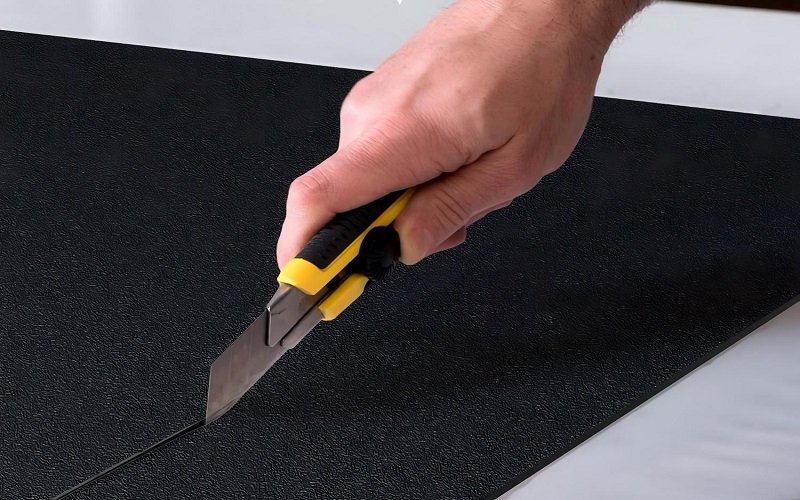
Utility Knife
For thinner ABS sheets, a sharp utility knife can be employed to score along a straight line, enabling the material to snap cleanly and precisely afterward. Applying the right amount of pressure while scoring ensures a clean break without damaging the sheet.
It operates on the pull stroke rather than the push, and features medium and fine tooth edges that deliver exceptionally smooth and precise cuts.
Jigsaw
A jigsaw equipped with a fine-toothed blade designed for plastics is perfect for making both straight cuts and curved cuts in ABS sheets. Clamping the sheet securely to a stable work surface ensures better control and smoother cuts.
When cutting curves or intricate shapes, drilling small pilot holes at inside corners can help reduce stress and prevent cracking, making it easier to maneuver the blade.
Circular Saw and Table Saw
For thicker ABS sheets or longer straight cuts, circular saws and table saws fitted with carbide-tipped blades with a high tooth count provide efficient and precise cutting. Using a straight edge as a guide helps ensure accuracy and clean, straight cuts.
Adjusting the blade height to just above the thickness of the plastic reduces friction and heat buildup, preventing melting. Cutting at a slow, steady pace helps maintain control and reduces the risk of overheating the material.
Dremel Tool
A Dremel rotary tool with appropriate cutting bits is ideal for intricate cuts and shaping ABS plastic. It offers high precision and versatility, especially for detailed or small-scale work.
When using rotary tools, it is advisable to make multiple shallow passes rather than a single deep cut to avoid generating excessive heat that could melt the plastic.
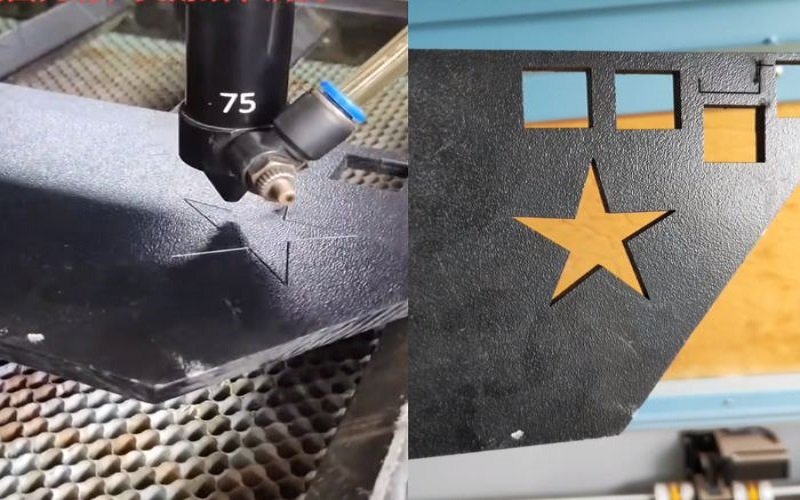
Laser Cutter
For industrial applications or projects requiring high precision, a laser cutter delivers clean, smooth edges with minimal finishing required, enhancing overall efficiency. However, proper ventilation and safety precautions are essential due to fumes produced during the cutting process.
By choosing the right tool based on your ABS sheet’s thickness, desired cut type, and project complexity, you can ensure a quality finish and reduce the risk of damaging the material.
| Tool Category | Specific Tool | Pros | Cons | Best For |
|---|---|---|---|---|
| Hand Tools | Utility Knife (Score-and-Snap) | – Inexpensive and portable – No power needed – Clean for straight cuts on thin sheets | – Labor-intensive (multiple passes) – Risk of snapping unevenly – Not for thick sheets | Thin sheets, straight lines |
| Hand Tools | Hacksaw | – Affordable – Good control for curves – Minimal setup | – Slow and tiring – Can cause rough edges if blade wanders | Medium curves, small projects |
| Hand Tools | Coping Saw | – Excellent for intricate curves – Fine blades reduce chipping | – Requires skill to tension blade – Slow for long cuts | Detailed work, scrolls |
| Power Tools | Jigsaw (with fine-tooth blade) | – Versatile for curves/straights – Fast with variable speed – Affordable entry-level models | – Vibration can cause chipping – Dust and noise | Medium-thickness sheets, DIY shapes |
| Power Tools | Circular Saw | – Quick for long, straight cuts – Powerful for thick sheets – Consistent depth control | – Less maneuverable for curves – Higher risk of melting if speed wrong | Large sheets, production |
| Power Tools | Dremel Rotary Tool | – Precise for small/details – Compact and multi-use – Low heat with right bits | – Slow for large areas – Frequent bit changes | Holes, engraving, fine detailing |
| Specialized Tools | Table Saw | – Ultra-straight cuts with fence – Efficient for batches – High precision | – Expensive and space-hungry – Setup-intensive | Thick sheets, pro workshops |
| Specialized Tools | Band Saw | – Smooth curves without burning – Continuous blade for endurance | – Learning curve for tensioning – Large footprint | Curved or resawing thick ABS |
| Specialized Tools | Laser Cutter | – Perfect precision, no contact – Clean edges, no chipping | – Very costly – Fume extraction needed – Not portable | Prototypes, intricate designs |
How To Cut ABS Plastic Sheets?
The cutting process for ABS plastic sheets involves several key steps to ensure clean, precise, and safe results.
First, always start by measuring and marking your cutting lines accurately using a pencil or marker and a straight edge or template. Proper marking helps guide your cuts and reduces errors.
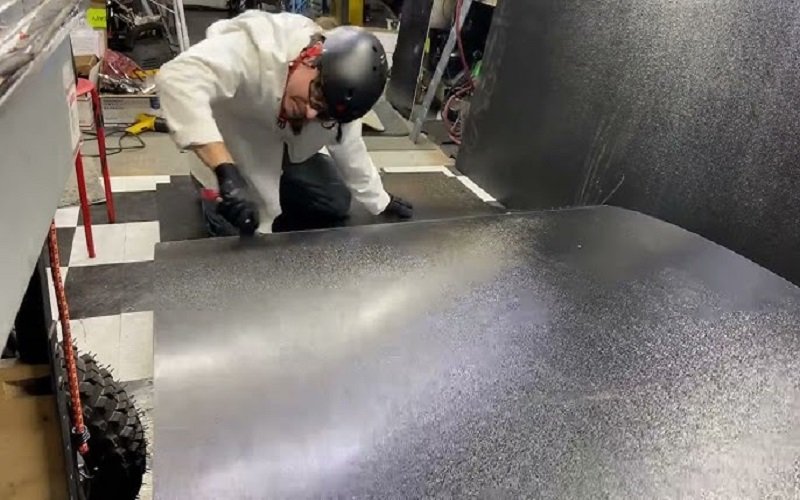
Next, securely clamp the ABS sheet to a stable work surface to prevent any movement during cutting. Stability is crucial for both safety and precision.
By doing so, the risks of cutting deviation or tool rebound due to plate shaking can be significantly minimized, thus preventing accidental cuts or material damage.
When cutting, choose the appropriate tool based on the thickness and shape of your cut. For straight cuts on thin sheets, scoring with a utility knife followed by snapping the sheet along the score line works well.
For thicker sheets or curved cuts, use power tools like jigsaws or rotary tools with blades or bits designed specifically for plastics.
Maintain a slow and steady cutting speed to avoid overheating the plastic, which can cause melting or rough edges. Using cooling methods such as compressed air can help dissipate heat and improve cut quality.
Drilling holes at sharp inside corners before cutting can relieve pressure and prevent cracking or warping during the cutting process.
After cutting, smooth the edges with fine-grit sandpaper or a file to remove any burrs or rough spots, ensuring a clean finish suitable for your project’s specific needs. Grinding the edges gently can also improve the appearance and fit of the final product.
By following these steps and focusing on control, speed, and proper tool use, you can achieve high-quality cuts in ABS plastic sheets for a variety of applications.
Tips For Cutting Process Of ABS Sheets
Understanding the physical properties of ABS plastic, especially its melting point, is crucial during the cutting process.
ABS plastic typically melts between 105°C and 120°C; exceeding this temperature can cause the material to soften or melt, leading to deformation or sticking at the cut edges.
Therefore, it is important to control the tool’s temperature and cutting speed to avoid overheating or cutting too quickly, which can cause the ABS plastic to melt.
Using cooling methods such as compressed air can effectively reduce the temperature in the cutting area and maintain cut quality. It is recommended to make multiple shallow cuts rather than one deep cut to minimize heat buildup.
Before cutting, it is best to score the cutting line lightly with a knife to guide the cut, reduce debris, and prevent cutting deviations.
During cutting, use fine-toothed blades or specialized cutting tools suitable for ABS plastic sheet, and ensure the material is securely clamped to avoid vibrations that can lead to inaccurate cuts or material cracking.
After cutting, it is advisable to smooth the edges with fine-grit sandpaper (150-220 grit) or a file to remove burrs and melted spots, enhancing the smoothness and appearance of the cut edges.
Performing an experiment with scrap ABS sheets can help you determine the optimal cutting speed, pressure, and tool settings for your specific project and material thickness.
Mastering these techniques helps achieve smooth, clean cuts and improves the quality and functionality of the final product.
The length of the cut and the complexity of the shape should influence your choice of cutting method and tool to ensure efficiency and precision.
Additionally, applying consistent pressure while cutting helps maintain control and prevents unwanted deviations or damage to the plastic sheet.
Finally, managing the energy applied during cutting—whether mechanical or thermal—is key to avoiding material damage and achieving the best finish.
Conclusion
In conclusion, mastering the art of cutting ABS plastic sheets opens up a World of possibilities for DIY enthusiasts, from crafting custom enclosures to automotive prototypes.
By selecting the right tools—ranging from simple hand implements like utility knives for thin sheets to advanced power options like jigsaws and laser cutters—you can achieve precise, clean edges while prioritizing safety through proper clamping, blade maintenance, and protective gear.
Always test on scraps, address common issues like chipping or melting promptly, and finish edges for professional results.
With practice and these methods, you’ll minimize waste, enhance project outcomes, and tackle ABS sheets with confidence on any scale.