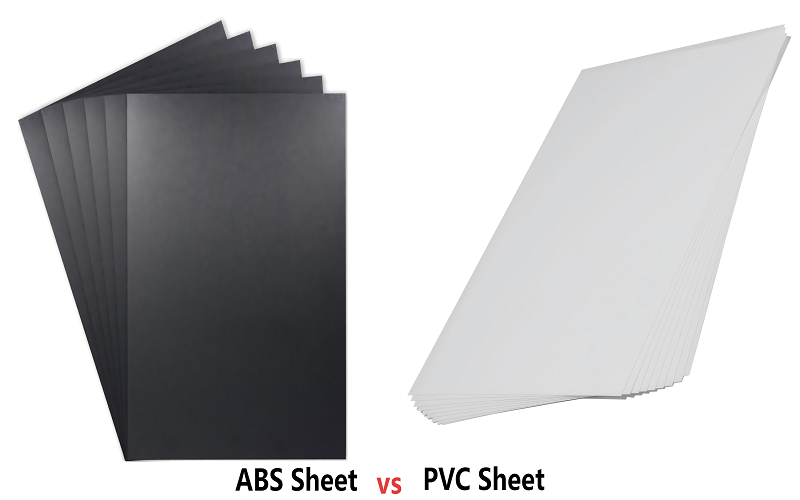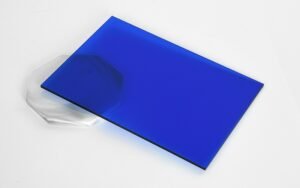
ABS sheet vs PVC sheet are two of the most commonly used plastic materials in various industries, each offering unique advantages and applications. Understanding the differences between these thermoplastic materials is essential for selecting the right one for your project.
From automotive components and electronics to plumbing and furniture manufacturing, both ABS and PVC sheets play critical roles in delivering durable plastic solutions.
This comprehensive comparison will explore their properties, benefits, and ideal uses, helping you make an informed decision for optimal performance and long-term durability.
What Is ABS Plastic Sheet ?
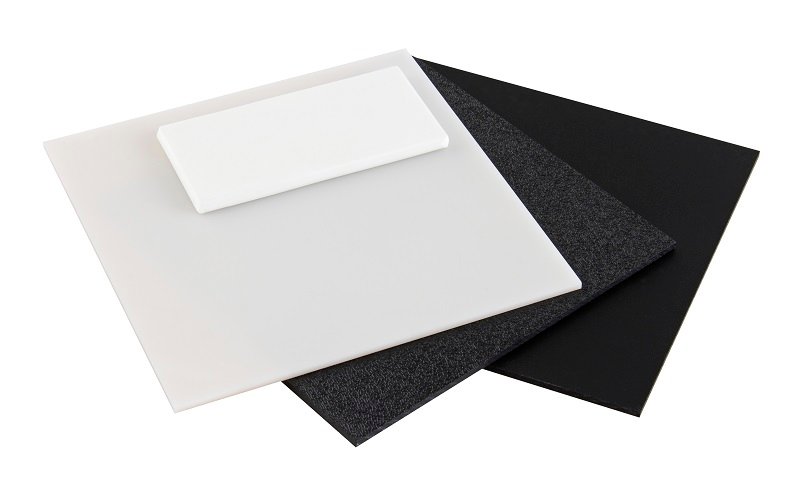
ABS sheets, known as Acrylonitrile Butadiene Styrene copolymer, are a versatile thermoplastic material widely used across various industries.
Composed of three key monomers—Acrylonitrile, Butadiene, and Styrene—through polymerization, ABS sheets offer exceptional mechanical properties, including high strength, excellent toughness, and superior impact resistance, enabling them to withstand significant mechanical stresses.
In addition to their robust heat resistance and dimensional stability, ABS plastic sheets are well-suited for elevated temperature environments. With a smooth surface finish, they are easy to process and form, commonly employed in injection molding and machining applications.
ABS sheets excel in demanding applications due to their outstanding structural integrity and attractive glossy appearance, finding extensive use in automotive dashboards, exterior components, and wheel covers; electronic device housings and structural components; as well as furniture manufacturing and medical equipment enclosures.
Not only do ABS plastic sheets provide reliable protection for electronics against environmental factors, but their superior impact and thermal performance also make them the ideal choice for high-requirement scenarios.
With ongoing advancements in manufacturing techniques, ABS sheets are available in a wide range of thicknesses and specifications, meeting the diverse needs of different projects.
What Is PVC Plastic Sheet ?
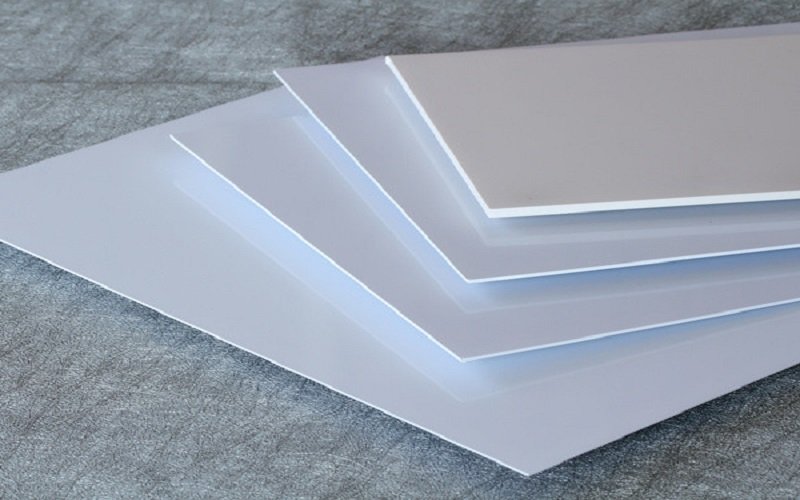
PVC plastic sheet, or Polyvinyl Chloride sheet, is a versatile materials made from the polymerization of vinyl chloride monomers.
Known for its affordability, durability, and chemical resistance, PVC sheets are a staple in industries ranging from construction to signage.
PVC products are especially valued for their excellent weathering resistance and resistance to chemical exposure, making them suitable for outdoor applications such as window profiles, garden hoses, and sprinkler systems.
PVC sheets come in various thicknesses and can be formulated into rigid or soft PVC, the latter being commonly used in applications like medical tubing and blood bags due to its flexibility. Soft PVC is also widely used in cable insulation, providing protection for electronic systems.
The production process of PVC sheets involves polymerizing vinyl chloride monomers with additives to enhance properties like impact resistance, UV radiation protection, and surface degradation resistance.
This results in a durable plastic that withstands temperature fluctuations and environmental exposure, making PVC pipes and other plastic pipes highly reliable for plumbing and irrigation systems.
PVC plastic sheets excel in cost effectiveness and chemical resistance compared to ABS sheets, making them the preferred choice for applications requiring long-term performance in challenging environments.
However, PVC tends to be less impact-resistant and has a lower heat deflection temperature than ABS, which limits its use in high-temperature or high-mechanical-stress scenarios.
Overall, PVC sheets offer a balance of durability, versatility, and affordability, making them one of the most widely produced plastics in the world and a key material in many industries including construction, electronics, and medical equipment housings.
Performance Differences Between ABS And PVC Sheet
When choosing between ABS and PVC sheets for your project, understanding their key differences in performance and characteristics is essential.
Both materials offer unique advantages that make them suitable for various applications, but knowing their strengths and limitations will help you make the best choice.
Durability and Impact Resistance
ABS sheet has high tensile strength and rigidity, making it suitable for applications requiring mechanical stress and impact, maintaining its exceptional durability, shape, and structural integrity under harsh conditions.
In contrast, PVC sheet is softer and somewhat flexible, making it suitable for applications requiring flexibility. However, its impact and abrasion resistance are inferior to ABS, making it suitable for applications requiring less mechanical stress.
Heat Resistance
Temperature resistance is another critical factor distinguishing these two materials. ABS sheets can withstand higher temperatures, with a glass transition temperature ranging between 105-125°C.
This makes ABS suitable for environments involving heat exposure or temperature fluctuations. PVC, on the other hand, begins to degrade at temperatures exceeding 60°C, limiting its use in high-heat applications.
Chemical Resistance
Chemical resistance also varies between ABS and PVC. PVC generally exhibits superior resistance to a broad range of chemicals, including acids, bases, and salts, which makes it a preferred choice for plumbing and outdoor applications exposed to harsh environments.
ABS is more prone to stress cracking when exposed to certain solvents and chemicals, such as acetone, which should be considered when selecting materials for chemical exposure.
Flexibility and Processing
Workability is a key factor when choosing between ABS and PVC sheets. ABS sheets are highly versatile, easily molded, painted, or finished to achieve desired aesthetics while maintaining structural integrity and durability.
In contrast, PVC sheets can be more difficult to process, as they are susceptible to splitting or cracking during cutting or machining, requiring careful handling to ensure quality results.
Appearance
Additionally, ABS sheets feature a glossy surface finish that provides an attractive aesthetic appeal, often favored in consumer products and automotive components.
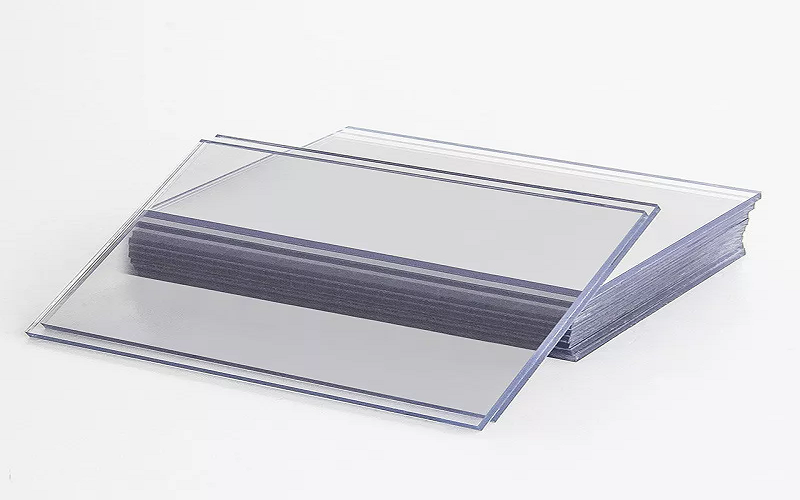
PVC sheets offer more versatility in surface texture, being available in matte or textured finishes, which can be advantageous for specific design requirements.
Therefore,ABS sheets excel in heat and impact resistance, providing robust protection for sensitive components in demanding environments.
Conversely, PVC sheets are better suited for applications requiring high chemical resistance or flexibility, though they exhibit weaker performance under elevated temperatures.
Manufacturing Process Of ABS And PVC Sheet
The manufacturing processes for ABS and PVC sheets involve distinct techniques tailored to their unique chemical compositions and properties.
Below is a detailed overview of the manufacturing processes for ABS and PVC sheets, focusing on key steps, differences, and considerations.
Manufacturing Process Of ABS Sheet
ABS sheets are typically produced through an extrusion process where the raw materials—acrylonitrile, butadiene, and styrene—are blended and melted together to form a homogeneous molten polymer.
This molten material is then forced through a flat die to form continuous sheets of desired thickness. The sheets are cooled using rollers and then cut to size.
During this process, additives such as colorants and impact modifiers may be introduced to enhance the sheet’s aesthetic appeal and mechanical properties.
Injection molding is also commonly used for creating ABS components with complex shapes, especially in automotive applications and electronics industry.
Manufacturing Process Of PVC Sheet
PVC sheets are generally produced by either extrusion or calendering. In extrusion, vinyl chloride monomers are polymerized and mixed with various additives like stabilizers, plasticizers, and lubricants to improve flexibility, durability, and UV resistance.
The blended material is then melted and extruded through a flat die to form sheets. Calendering involves passing the heated PVC compound through a series of rollers to achieve precise thickness and surface texture, which is especially useful for producing soft PVC sheets used in medical tubing or cable insulation.
Special cement and heat treatment may be applied during fabrication to ensure strong bonding and dimensional stability, particularly for PVC pipes and plumbing applications.
| Aspect | ABS Sheets | PVC Sheets |
|---|---|---|
| Raw Materials | Acrylonitrile, butadiene, styrene | Vinyl chloride |
| Polymerization | Emulsion or bulk polymerization | Suspension or emulsion polymerization |
| Additives | Stabilizers, pigments, flame retardants | Plasticizers, stabilizers, UV inhibitors |
| Primary Formation | Extrusion, calendering | Extrusion (rigid), calendering (flexible), foaming |
| Processing Challenges | Overheating can degrade material | Risk of harmful gas release if overheated |
| Flexibility | Generally rigid, less flexible options | Rigid or flexible, depending on plasticizers |
| Environmental Impact | BPA concerns, recyclable | Additives (e.g., phthalates) raise concerns, recyclable with specialized facilities |
ABS Sheet vs PVC Sheet : Applications And Use Cases
Both ABS and PVC sheets are widely used across various industries, each excelling in specific applications due to their distinct properties.
Automotive Industries
ABS sheets are extensively used in automotive industries for manufacturing dashboard panels, exterior components, and wheel covers. Their superior impact resistance and dimensional stability make them ideal for parts subjected to mechanical stress and environmental exposure.
PVC sheets, while less common in automotive interiors, are sometimes used for flexible components and protective coverings due to their pliability.
Electronics Industry
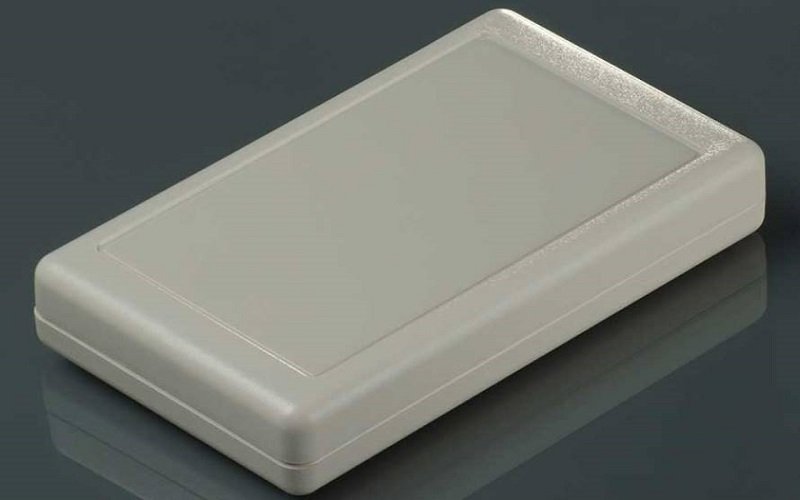
In the electronics industry, ABS sheets play a crucial role in protecting electronic devices. Their excellent heat resistance and structural integrity make them suitable for electronic enclosures, housings, and structural components, making ABS sheets ideal for various electronic applications.
PVC sheets are also used, particularly in cable insulation and medical equipment housings, where their chemical resistance and flexibility are advantageous.
Plumbing and Construction
PVC sheets and pipes dominate plumbing and construction applications due to their chemical resistance, durability, and cost effectiveness. PVC pipes are widely used for water supply, drainage, and irrigation systems, benefiting from their resistance to corrosion and environmental factors.
ABS pipes are also used in plumbing but are more common in applications requiring higher impact resistance and performance in extreme cold conditions.
Furniture Manufacturing and Signage
ABS sheets are favored in furniture manufacturing and signage for their aesthetic appeal and ease of processing. Their glossy finish and ability to maintain structural integrity under stress make them suitable for decorative panels and durable furniture components.
PVC sheets offer versatility in surface texture and weathering resistance, making them suitable for outdoor signage and furniture exposed to sun exposure and harsh weather.
DIY and Craft Projects
For DIY enthusiasts, ABS sheets are preferred when smooth finishes and detailed machining are required, such as in 3D printing and model prototyping. PVC sheets provide a cost-effective alternative for projects that require flexibility and chemical resistance, especially for outdoor applications.
Choosing ABS or PVC depends on the specific requirements of your project, including mechanical stress, environmental exposure, aesthetic needs, and budget constraints. Understanding these use cases will help you select the most suitable material for optimal performance and longevity.
Which Is Better, ABS or PVC Sheet?
There is no absolute “better” choice between ABS and PVC sheets, as each excels in different areas and may be preferred over other materials depending on the specific application.
ABS sheets are better suited for applications requiring high strength, heat resistance, and aesthetic appeal, such as in the automotive and electronics industries.
On the other hand, PVC sheets stand out with superior chemical resistance, cost-effectiveness, and flexibility, making them ideal for construction, plumbing, and medical applications.
Both ABS and PVC offer a versatile balance of performance and affordability that make them popular choices across diverse industries.
When deciding between the two, it is important to carefully consider the specific requirements of your project, including mechanical stress, environmental exposure, budget constraints, and desired appearance, to select the most suitable material for optimal performance and longevity.