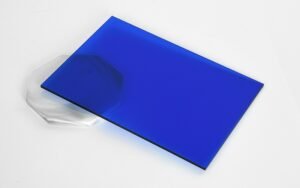
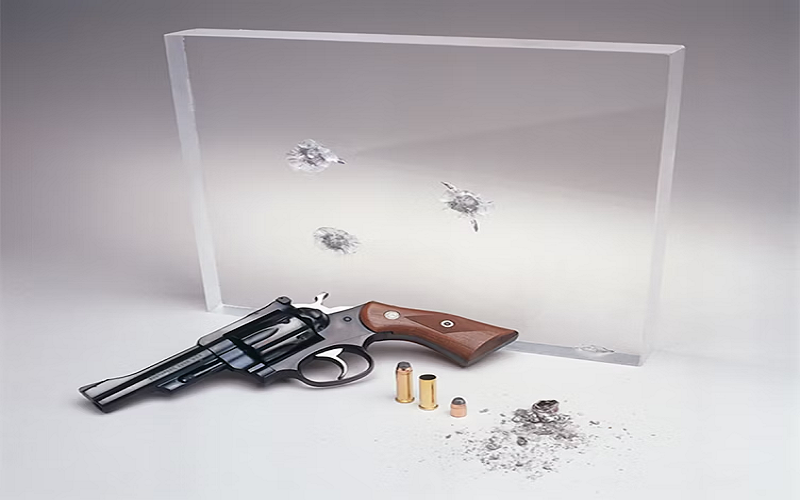
Bullet resistant plexiglass has become an essential material in modern security solutions, offering a lightweight yet durable alternative to traditional glass.
Known for its exceptional optical clarity and strong resistance to impacts, this advanced acrylic sheet provides reliable protection against handgun threats while maintaining visibility and aesthetic appeal.
Whether used in banks, government buildings, or retail environments, bullet resistant plexiglass combines safety and functionality to create secure spaces without compromising on design.
This article explores the features, benefits, and applications of bullet resistant acrylic sheets , helping you understand why it is a preferred choice for enhancing security in various settings.
Is Plexiglass Bullet Resistant ?
Plexiglas®, in its standard form, is not inherently bullet resistant. It is a brand name for acrylic, a lightweight and shatter-resistant plastic, but it lacks the strength to stop bullets without specific modifications.
However, bullet resistant plexiglass (also called ballistic acrylic) is a specialized type of acrylic sheet designed with enhanced thickness and composition to withstand ballistic impacts.
Unlike traditional bulletproof glass , acrylic bullet resistant glass is often heavier and requires lamination, bullet resistant acrylic sheets provide comparable protection while being lighter and easier to fabricate.
Manufacturers produce bullet resistant acrylic sheets to meet rigorous standards such as UL 752, which classifies materials based on their ability to stop bullets from virtually all handguns.
These sheets offer excellent light transmission and optical clarity, making them ideal for applications where visibility is as important as security.
Standard plexiglass can resist minor impacts but will not stop bullets. If you’re looking for bullet resistance, ensure the material is explicitly rated for ballistic protection and distinguish between bullet resistant glass and bullet resistant acrylic for your specific needs.
Properties of Bullet Resistant Acrylic Sheets
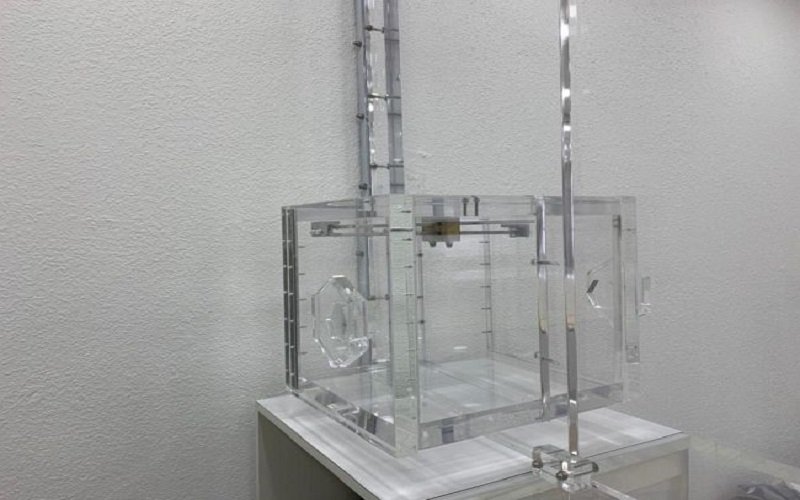
Unlike traditional laminated glass, bullet resistant acrylic plexiglass typically does not require laminating to achieve the same level of bullet resistance.
This results in a material that is half the weight of glass laminates with the same UL ratings, making it easier to handle and install without compromising durability or protection.
Additionally, bullet resistant acrylic sheets can be drilled, cut, routed, and polished to fit the desired shape and application, allowing seamless integration into doors, windows, transaction barriers, and other security fixtures.
This fabrication flexibility is essential for customizing security solutions to meet specific architectural and functional requirements.
Many bullet resistant plexiglass products also feature an abrasion resistant coating, significantly enhancing their abrasion resistance and durability by protecting against scratching, hazing, and UV degradation.
This coating ensures long-lasting optical clarity and maintains the material’s resistance to environmental wear, making it suitable for both indoor and some outdoor applications.
Overall, bullet resistant plexiglass combines the benefits of lightweight construction, superior optical properties, and robust bullet resistance, making it a preferred choice for requiring reliable security solutions.
Its ability to protect against small firearms while maintaining excellent visibility and ease of fabrication underscores its vital role in modern security technology.
Applications Of Bulletproof Acrylic Sheet
Bullet resistant acrylic sheets are commonly used in a variety of security-sensitive environments due to their combination of strength, clarity, and lightweight properties.
Banks And Financial Institutions
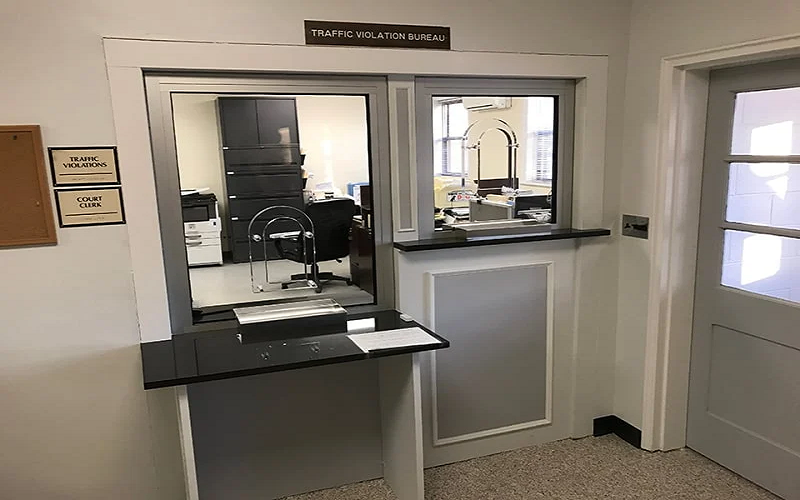
They are ideal for bank teller windows, cashier stations, and convenience stores where protection against handgun threats is essential without obstructing visibility or customer interaction.
Similarly, retail environments and ATMs often utilize these sheets to deter violent crime and prevent injury from ballistic threats.
Government And Public Facilities
In government buildings and police stations, bullet resistant acrylic barriers provide a secure yet transparent shield, helping to safeguard personnel while maintaining open communication.
Residential and commercial buildings
Used as windows or door panels in high-risk residential or commercial buildings, enhancing security while maintaining aesthetics and natural light.
From financial institutions and retail settings to government facilities and beyond, these sheets provide reliable defense against ballistic threats while maintaining functionality and aesthetics.
When selecting bullet resistant acrylic, ensure it meets certified ballistic standards to guarantee the required level of protection for your specific application.
What Is The Difference Between Bullet Resistant Plexiglass And Bullet Resistant Glass?
Bullet resistant plexiglass and bulletproof glass both protect against bullets but differ in material, weight, cost, performance, and manufacturing processes.
Bullet resistant plexiglass is made from thick acrylic sheets designed to stop bullets from small firearms. It is lighter and more flexible than bulletproof glass, which is made from layers of glass and polycarbonate.
This manufacturing difference allows plexiglass to be easier to cut and shape without cracking or breaking.
Plexiglass usually doesn’t need lamination, making it about half as heavy as laminated bulletproof glass with the same UL levels of protection. This makes installation easier and reduces the risk of cracking under stress.
Bulletproof glass uses multiple layers to absorb bullet impact, offering higher protection against stronger guns and multiple shots but is heavier and more expensive.
Both materials offer clear visibility, but plexiglass often stays clearer longer due to its resistance to hazing, discoloration, and cracking. Many plexiglass sheets have abrasion resistant coatings to improve durability and UV resistance.
Choosing between them depends on your security needs, budget, and installation. Plexiglass is great for lightweight, affordable protection against handguns, while bulletproof glass suits higher protection needs.